Why the Future of Plant-Based Protein Is About Choice, Not Replacement
The plant-based protein market has entered a more considered, application-driven phase. What once centred on replacement and protein percentage is now shaped by performance, versatility, and long-term ingredient strategy.
At Atura Proteins, our focus is on plant proteins that work in real formulations – not just on paper. Chickpea, fava bean and red lentil proteins are becoming increasingly relevant as manufacturers look to balance functionality, nutrition, and sustainability across food and nutrition applications.
Moving Beyond a Single-Protein Mindset
For many years, pea and soy dominated plant-based formulations. While still important, over-reliance on a narrow protein base has highlighted challenges around flavour, texture limitations, and supply risk.
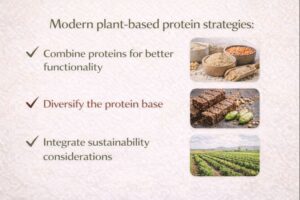
Today, formulators are actively diversifying their protein toolkit. Legume-based proteins such as chickpea, red lentil, and fava bean offer distinct functional behaviours that can be matched more precisely to application needs.
This shift is not about novelty – it is about building more robust and flexible formulations.
Chickpea Protein: Balanced Performance and Versatility
Chickpea protein, particularly at mid-range concentrations such as ~70%, has earned its place as a versatile ingredient across both food and nutrition formats.
From a technical standpoint, chickpea protein is valued for:
- A naturally mild flavour profile
- Smooth mouthfeel contribution
- Balanced emulsification and binding properties
These characteristics make it well-suited to applications such as RTD beverages, protein powders, bars, and plant-based dairy alternatives, where sensory quality is as important as protein delivery.
For formulators, chickpea protein often reduces the need for aggressive flavour masking or complex stabiliser systems.
Red Lentil Protein: Structure and Nutritional Appeal
Red lentil protein brings a different set of strengths. Its functional behaviour supports structure, body, and water-binding, making it particularly relevant in solid or semi-solid applications.
Key advantages include:
- Strong contribution to texture and structure
- Naturally legume-forward nutritional positioning
- Compatibility with blended protein systems
Red lentil protein is increasingly used alongside other plant proteins to reinforce texture and improve overall formulation balance without sacrificing label simplicity.
Fava Bean Protein: Diversification and Functional Flexibility
Fava bean protein is gaining attention as manufacturers seek alternatives that perform reliably while supporting diversification strategies.
From a formulation perspective, fava bean protein offers:
- Competitive emulsification and binding properties
- A favourable nutritional profile for plant-based systems
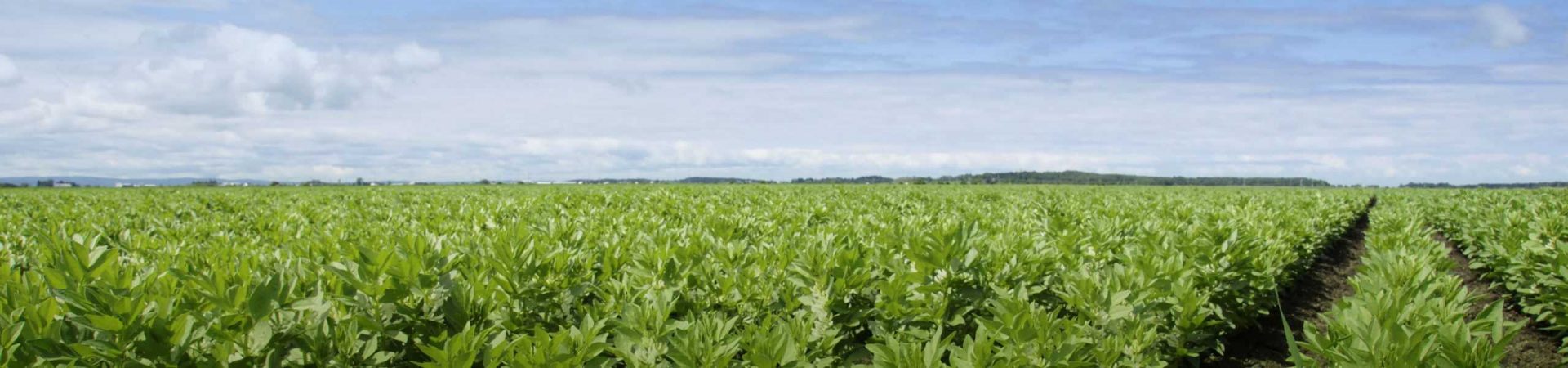
- Alignment with crop rotation and sustainable agriculture practices
Its versatility allows it to be used across a range of food and nutrition applications, either as a standalone protein or as part of a blended system.
Application-Led Protein Selection
Modern product development starts with the application – not the ingredient.
Different formats demand different functional outcomes:
- Beverages require solubility and smooth mouthfeel
- Bars and snacks rely on binding and moisture control
- Dairy alternatives depend on emulsification and texture stability
By working with chickpea, red lentil, and fava bean proteins, formulators can select and combine proteins based on what the product needs to do, rather than forcing one protein to do everything.
Protein Systems, Not Single Solutions
Increasingly, the most successful formulations use protein systems rather than single ingredients. Blending plant proteins allows manufacturers to:
- Balance amino acid profiles
- Optimise texture and mouthfeel
- Improve processing consistency
This approach supports both nutritional targets and consumer expectations without compromising functionality
Sustainability as Part of Ingredient Strategy
Sustainability considerations are now integrated into ingredient selection, not layered on afterwards. Legume proteins such as chickpea, red lentil, and fava bean contribute positively through:
- Nitrogen-fixing crops that support soil health
- Lower input requirements compared with many conventional proteins
- Alignment with long-term agricultural resilience
For manufacturers, this supports both environmental objectives and secure supply planning.
Looking Ahead
The future of plant-based protein is not defined by a single winning ingredient. It will be shaped by how well proteins perform, how intelligently they are combined, and how effectively they support long-term product strategies.
Chickpea, red lentil, and fava bean proteins represent a growing toolkit for formulators looking to move beyond shortcuts and toward purposeful, performance-driven plant-based innovation.